Update: Although this enhancement was originally scheduled to be implemented from 1st August 2026, GSTN has kept its implementation on hold until further notice.
From 1st August 2026, businesses issuing B2B invoices for goods delivered to an address different from the billing location must provide a valid ship-to GSTIN during invoice upload. Without it, invoices may fail validation on the GSTN system, affecting reporting and compliance.
The update introduces mandatory ship-to GSTIN validation within the Invoice Registration Portal (IRP) and GST portal upload process. For businesses operating across multiple locations, including branch deliveries, warehouses, distributors or third-party delivery points, correctly capturing the GST registration at the delivery destination is now a necessary part of invoice generation.
The Bill-to-Ship-to provisions were originally announced to come into effect from 15th June 2026. However, the implementation has now been postponed, and the revised effective date is 1st August 2026.
Note - GSTN had earlier issued advisories dated 9th June 2026 and 17th June 2026 regarding certain proposed enhancements to the e-Way Bill system, with the scheduled date of implementation as 1st August 2026. Detailed FAQs relating to these enhancements were also issued on 2nd July 2026.
It is hereby informed that the implementation of the above-mentioned enhancements has been kept on hold until further notice
What is the ship-to GSTIN field on a GST invoice?
A GST invoice can carry two distinct address fields: bill-to and ship-to. The bill-to-field records who is being charged. The ship-to field records where the goods physically go. The ship-to GSTIN field captures the GST registration linked to that delivery location when it differs from the billing address. When both addresses belong to the same registered location, a single GSTIN covers both.
Under Rule 46 of the Central Goods and Services Tax (CGST) Rules, 2017, an invoice must include the name, address and GSTIN of the recipient. From 1st August 2026, this requirement extends to ship-to addresses registered under a different GST registration.
Who is affected by this change?
Any GST-registered supplier issuing a B2B invoice with a delivery address that differs from the billing address is affected by this change. Businesses that ship goods to branches, warehouses, retail outlets or registered delivery locations different from the billing address must now capture the correct ship-to GSTIN.
The following scenarios are directly affected:
|
Scenario |
What changes from 1st August 2026 |
|
Goods dispatched to a branch in another state |
GSTIN of the branch must appear as ship-to on the invoice |
|
Buyer ships goods to a third-party warehouse |
Warehouse GSTIN (if registered) required in ship-to field |
|
E-commerce seller ships to customer address |
If customer is GST-registered, their GSTIN is mandatory |
|
Manufacturer ships directly to retail outlet |
Retail outlet GSTIN must be captured as ship-to |
Businesses making B2C supplies to unregistered individuals are not affected because ship-to details for unregistered buyers do not carry a GSTIN.
What will trigger an invoice rejection after this commencement?
The GSTN validation engine will check the following conditions at the time of invoice upload:
- The ship-to GSTIN is blank when the ship-to address is different from the bill-to address and the recipient is GST-registered.
- The ship-to GSTIN entered does not exist in the GSTN database.
- The ship-to GSTIN is associated with a cancelled or suspended registration.
- The ship-to GSTIN does not correspond to the state in the ship-to address (state code mismatch).
How to prepare your business before this comes into effect
Businesses should prepare before this comes into effect by updating customer data, validating ship-to GSTINs, adjusting invoicing workflows and collecting accurate delivery registration details from buyers.
Update your customer master
For every customer with multiple delivery locations, collect and verify the GSTIN for each delivery address. A single legal entity can have multiple GSTINs across states, with each GSTIN tied to a specific registered place of business. Ensure your billing software or ERP stores the ship-to GSTIN separately from the bill-to GSTIN at the transactional level, not just at the customer level.
Verify GSTINs before 1st August 2026
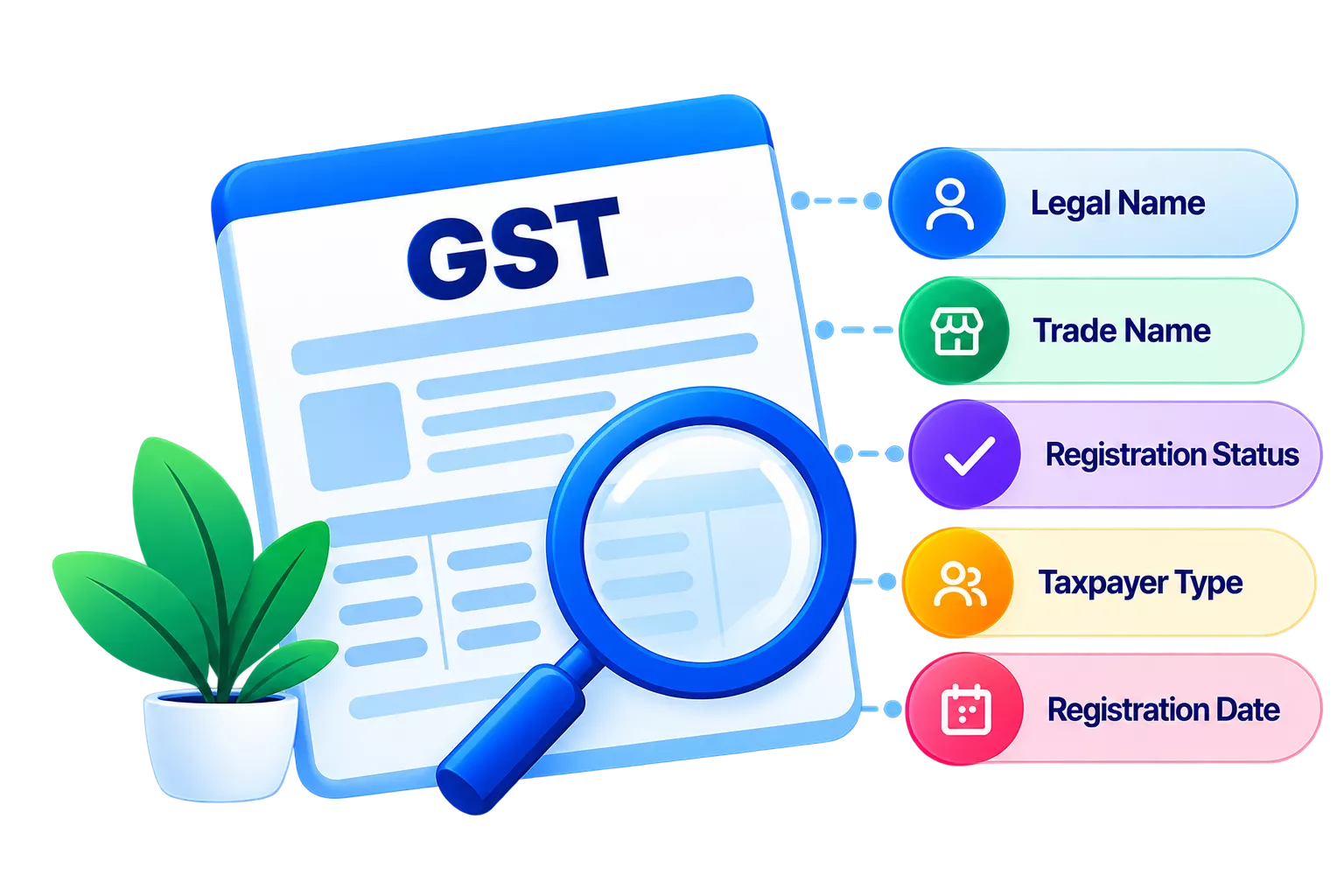
Use the GST portal’s ‘Search Taxpayer’ tool or the GSTN API to validate every ship-to GSTIN in your database. Check that the registration is active and that the state code matches the delivery address. A GSTIN that was valid six months ago may have been cancelled or surrendered since.
Align your invoicing workflow
If your sales team captures ship-to addresses informally (in notes or email), add a structured field for the ship-to GSTIN to your order form or sales order workflow. The ship-to GSTIN must be entered on the invoice before it is raised, not as a correction after the fact.
Communicate with your buyers
Ask buyers who receive goods at locations other than their billing address to confirm the GSTIN registered at each delivery point. This is especially relevant for businesses with warehouses, branch offices or consignee relationships across states.
Conclusion
The ship-to GSTIN mandate makes delivery data accuracy a direct compliance requirement rather than an operational detail. Businesses that rely on multi-location deliveries, warehouses, branches or third-party dispatch models should treat this update as a process change, not just an invoicing change.