Bricks in India are classified under different HSN codes based on their material type; such as clay bricks, fly ash bricks, concrete blocks and roofing tiles, and attract GST accordingly, making correct classification essential for accurate invoicing, input tax credit (ITC) claims and GST compliance.
Incorrect HSN usage can lead to wrong tax payment, ITC denial or compliance issues during audits, especially since GST rates vary depending on the brick type and applicable scheme (with or without ITC).
How are bricks classified under HSN codes?
HSN stands for Harmonised System of Nomenclature. It is a globally accepted coding system used to classify goods for taxation purposes. Bricks are classified under different HSN headings based on their material composition and type:
|
Category |
HSN Code / Number |
Description |
|
Fly Ash Bricks/Blocks |
6815 |
Covers articles of stone, carbon fibres, peat or other mineral substances not elsewhere specified. It includes sand lime/calcium silicate bricks, graphite filters, carbon fibre articles and various mineral products. Sub-classifications of 6815:
|
|
Cement, concrete or artificial stone bricks |
6810 |
Covers articles of cement, concrete or artificial stone, whether reinforced or not. It includes construction items such as building blocks, tiles, bricks, flagstones and prefabricated structural components. Subclassifications and examples:
|
|
Ceramic building bricks |
6904 |
Includes ceramic building bricks, flooring blocks, support or filler tiles, and similar ceramic construction goods. It applies to items, like clay bricks and fly ash bricks HSN 6904 breakdown:
Note: Fly ash bricks can fall under either HSN 6815 (articles of mineral substances) or HSN 6904 (ceramic building bricks) depending on their composition and manufacturing process. Bricks made primarily from fly ash bonded with lime/gypsum typically fall under 6815 99 10, while fly ash bricks manufactured using a ceramic process may be classified under 6904. If unsure, consult a GST practitioner or refer to the applicable customs tariff heading for your specific product. |
|
Refractory bricks (heat-resistant, used in furnaces) |
6902 |
Applies to refractory ceramic constructional goods, such as bricks, blocks and tiles, used in construction, excluding those made of siliceous fossil meals. These materials, containing over 50% alumina, silica or magnesia/calcium/chromium Subheadings under HSN 6902:
|
|
Siliceous Fossil Meals Bricks |
6901 |
Covers bricks, blocks, tiles and ceramic goods made from siliceous fossil meals (like kieselguhr, tripolite or diatomite) or similar siliceous earths. These are generally used in construction. 6901 00 10 - Bricks of siliceous fossil meals 6901 00 20 - Blocks of siliceous fossil meals. 6901 00 30 - Tiles of siliceous fossil meals. 6901 00 90 - Other ceramic goods of siliceous fossil meals. |
|
Setts flagstones and curbstones, of natural stone ( except plate) |
6801 |
Includes setts, curbstones and flagstones made of natural stone (except slate). This code is primarily used for stone products intended for paving or curbing, such as granite sets or sandstone flags. Some common applications are road construction, paving and landscaping (e.g., granite setts, limestone curbstones) |
|
Worked monumental or building stone (excluding slate) |
6802 |
Covers worked monumental or building stone (excluding slate), mosaic cubes and artificially colored granules, chippings or powder. Common items include processed marble, granite and travertine slabs or tiles. Main sub-classifications under HSN 6802: 6802 10 00 - Tiles, cubes and similar articles, whether or not rectangular, the largest surface area of which is less than 49 sq. cm. 6802 21 - Marble, travertine and alabaster, merely cut or sawn into blocks or slabs. 6802 23 - Granite blocks or tiles. 6802 29 00 - Other monumental or building stones. 6802 91/92/93/99 - Further worked stone (processed, decorated, etc.) |
|
Bricks of pressed or moulded glass |
7016 |
Covers paving blocks, slabs, bricks, squares, tiles and other pressed or moulded glass articles used for building or construction purposes, including wired or unwired glass |
What is the GST rate on bricks in India?
Following the Goods and Services Tax (GST) changes notified after the 56th GST Council meeting in September 2025, only selected brick-related products saw rate adjustments. Contrary to common confusion, most ordinary construction bricks did not move entirely to the 5% slab.
Ordinary building bricks attract 12% GST with full Input Tax Credit (ITC). However, brick manufacturers who opt for the special composition scheme under Notification No. 02/2022-CT(R) can pay GST at 6% — but without the ability to claim ITC on their purchases. This scheme is available only to manufacturers and not to traders or contractors. Businesses must evaluate which option is more beneficial based on their purchase volumes and ITC eligibility before choosing a scheme.
No compensation cess currently applies to standard brick categories under GST.
What are the important invoicing requirements for brick businesses?
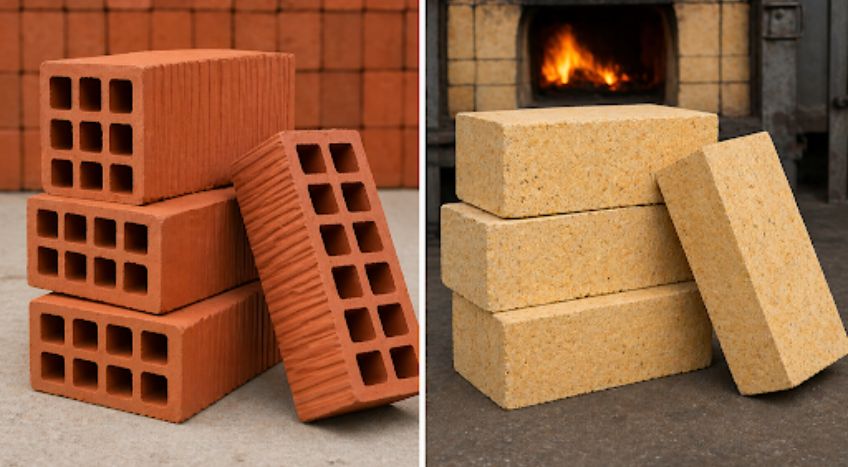
Manufacturers, wholesalers, distributors and contractors dealing in bricks must issue GST-compliant invoices. A proper invoice helps avoid compliance issues and ensures smooth ITC claims.
A brick invoice should include:
- Supplier name and GSTIN
- Invoice number and date
- Correct HSN code
- Product description
- Quantity supplied
- Taxable value
- CGST, SGST or IGST amount
- Place of supply
- Buyer GSTIN, if registered
Businesses with an annual aggregate turnover exceeding ₹5 crore are required to generate e-invoices for all B2B transactions under GST. This means every brick sale to a registered buyer must go through the Invoice Registration Portal (IRP), and a valid Invoice Reference Number (IRN) must be printed on the invoice before it is issued.
Conclusion
Understanding and applying the correct HSN code and GST rate for bricks is essential for accurate tax compliance, correct pricing and seamless ITC claims. Since similar-looking brick products can fall under different HSN codes, classification must always be based on material, usage and chapter guidelines.
Correct classification is not optional paperwork. It directly impacts tax liability, ITC eligibility and audit risk. Getting it right ensures fewer disputes and more predictable compliance outcomes for your business.
Using accounting software like TallyPrime can further simplify this process by helping manage HSN codes, applying the correct GST rates automatically and generating compliant invoices. This reduces manual errors, saves time and strengthens day-to-day GST compliance.