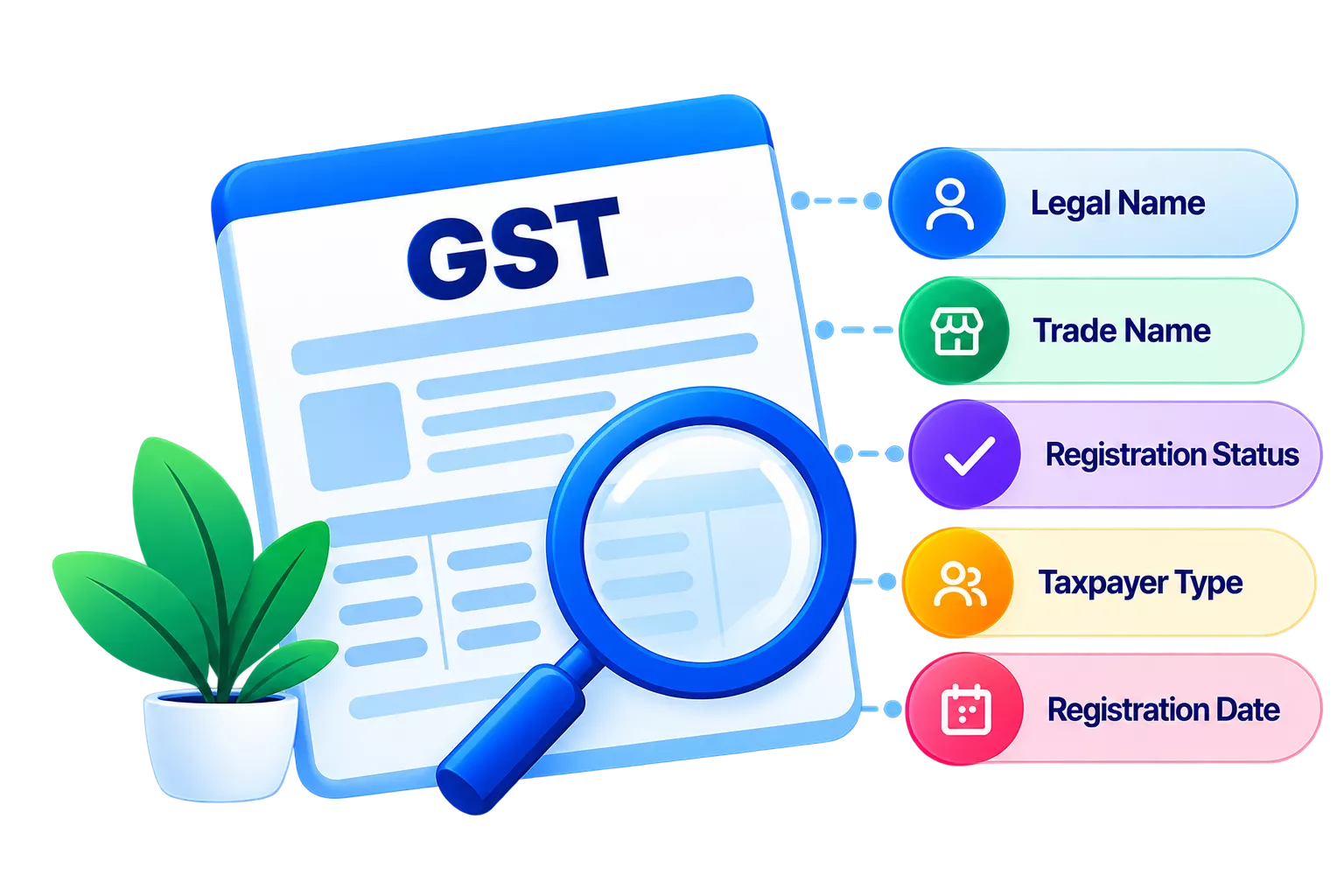
GST compliance can feel like a separate task sitting on top of your regular accounting. You already record sales, purchases, expenses, and payments, and then you have invoices, tax details, reconciliations, and filing deadlines to think about.
The good news is that these activities do not have to exist as separate processes. When transactions are recorded properly from the beginning, the same information can support both your accounts and GST compliance. This is where organised GST accounting can save time.
Instead of preparing GST information at the last minute, the better approach is to build a routine where invoices and other supporting records are captured as part of everyday accounting. That way, month-end becomes more about checking the information than recreating it.
GST records a business needs to maintain
The first step to reducing GST-related workload is knowing which records your business needs to maintain. The exact requirements depend on your business and transactions, but your records generally need to support the supplies you make and receive and the tax reported on them.
This can include sales and purchase invoices, credit and debit notes, payment records, stock records, tax information and other documents supporting your GST transactions. Businesses should also maintain their relevant accounting records and electronic backups as required.
The important point is that these records should connect. A sales invoice should not exist as an isolated document. Its value, GST amount, customer details and payment status should be traceable through your accounting records.
The same applies to purchases. A supplier invoice should connect with the purchase entry, applicable tax details and payment information. When records are linked properly, checking them later becomes much easier.
Why organised records matter
Disorganised records create work because the same information has to be searched, entered and checked repeatedly. You may have invoices in one folder, payment information in another spreadsheet and GST calculations somewhere else.
Organised digital records reduce this duplication. When transaction information is captured correctly at the point of entry, you can use it for accounting, invoicing, reporting and GST-related checks instead of maintaining separate records for each purpose.
This is one of the biggest benefits of using GST accounting software. Rather than treating GST as a separate monthly exercise, you can make tax information part of your normal accounting workflow.
Good records also improve accuracy. When information is available in one structured system, it becomes easier to identify an incorrect GSTIN, a missing invoice, an unusual tax amount, or a transaction that has not been reconciled.
Most importantly, organised records give you confidence before filing. You are not relying on memory or trying to locate documents at the last minute.
Connect transactions with GST
GST records start with everyday transactions. A sale creates an invoice with the relevant tax details, which then become part of your accounting records. Purchases follow a similar process, with supplier invoices supporting purchase records and eligible input tax credit, subject to applicable rules.
Your GST process should therefore begin when a transaction is recorded, not when a return is due. Consistent customer, supplier, item, tax rate and invoice details can reduce errors and make reconciliation easier.
For regular GST invoicing, GST billing software can help standardise invoice creation and tax details. Record credit and debit notes promptly to avoid mismatches later.
The same approach applies to payments and inventory. Your records should allow you to trace each transaction from the original document to its accounting entry and, where applicable, its GST treatment.
Understanding this connection makes it easier to see what records need to be captured at each stage of a transaction.
|
Transaction |
Record created |
GST relevance |
|
Sale |
Sales invoice |
Output GST and sales records |
|
Purchase |
Supplier invoice |
Purchase records and eligible ITC |
|
Credit or debit note |
Credit/debit note |
Adjustments to taxable value or tax |
|
Payment |
Payment record |
Links payment to the underlying transaction |
|
Inventory movement |
Stock record |
Supports transaction and tax records |
Reconciliation before filing
Reconciliation is one of the most useful ways to reduce last-minute GST work. Rather than waiting until the filing deadline, review your records regularly and investigate differences when they are still easy to trace.
Start by checking whether recorded sales and purchases have the relevant invoices. Then review GST amounts, customer and supplier details, credit and debit notes and other applicable transaction information.
If information in your books does not match the relevant GST data, do not simply adjust figures to make them agree. First identify why the difference exists. It could be a missing invoice, incorrect entry, timing difference, wrong GST details, or another issue that needs attention.
Regular GST reconciliation makes these checks part of the accounting routine, not a separate month-end project. It can also help you identify recurring data entry issues and correct the process causing them.
A simple habit is to review smaller batches of transactions regularly instead of leaving the entire reconciliation exercise until filing time.
E-invoices and e-way bills
For businesses to which the relevant requirements apply, e-invoices and e-way bills form an important part of transaction documentation. These records should be generated and maintained according to the applicable GST rules and thresholds.
Using e-invoice software can make the process more consistent by reducing repeated manual entry and helping ensure that invoice information flows through the required process.
Similarly, e-way bill software can help businesses manage applicable e-way bill requirements alongside their transaction records. The objective is not to create another system to maintain, but to connect compliance activities with the underlying transaction.
Before generating either document, make sure the basic transaction information is correct. Errors in details such as GSTIN, invoice number, taxable value, or other required fields can create avoidable follow-up work.
The exact applicability of e-invoicing and e-way bill requirements can vary based on the nature and circumstances of the business, so businesses should check the current rules applicable to them.
Maintaining records digitally
Digital record keeping can make GST compliance easier because documents and transaction information can be searched, organised and backed up more efficiently than physical files.
Instead of keeping invoices scattered across email attachments, folders and paper files, establish a consistent system for storing supporting documents. Use clear naming conventions and ensure relevant documents can be traced to their accounting entries.
Regular backups are equally important. Losing financial records can create significant work, particularly when you need to verify an older transaction or respond to a query.
Accounting solutions such as TallyPrime can bring accounting, invoicing, inventory, and GST-related information into a connected workflow. This can reduce the need to maintain separate records for everyday accounting and GST.
Digital does not mean completely hands-off, though. Someone still needs to review entries, correct errors and ensure that records are complete.
GST month-end checklist
A short month-end review can prevent a large amount of work later. Instead of treating it as a major accounting exercise, make it a routine check of the information already recorded.
You can review:
- Whether all applicable sales and purchase invoices have been recorded.
- Whether credit and debit notes are entered correctly.
- Whether GSTINs and other relevant tax details are accurate.
- Whether books and applicable GST data have been reconciled.
- Whether outstanding discrepancies have been investigated.
- Whether important supporting records and backups are available.
The exact checks required will depend on your business and GST obligations. The goal is to identify issues while the transactions are still recent and easy to trace.
Common GST record keeping mistakes
A few simple record-keeping habits can prevent most GST-related issues. Watch out for these common mistakes:
- Keeping separate records: Maintaining different spreadsheets for GST, sales and purchases can create inconsistencies. Keep transaction and tax records connected.
- Delaying data entry: Waiting until month-end can lead to missed invoices and adjustments. Record transactions promptly to keep records accurate.
- Using incorrect GST details: Review customer and supplier GST details regularly to avoid repeating the same invoice errors.
- Ignoring mismatches: Investigate differences between your books and GST records instead of carrying them forward without understanding the cause.
- Skipping backups: Organised records are only useful if you can retrieve them. Maintain regular backups to protect important financial information.
Wrapping Up
Managing GST does not have to mean maintaining a completely separate accounting workload. The simpler approach is to build GST requirements into everyday record-keeping.
Record invoices promptly, keep purchase and sales information organised, update credit and debit notes, reconcile regularly and maintain accessible backups. When these habits are part of your normal accounting process, month-end GST work becomes much more manageable.
Using GST accounting software can further connect invoicing, accounting, reconciliation and GST records in one workflow. With TallyPrime, businesses can manage accounting, invoicing, inventory, and GST-related processes through an integrated system.
The goal is not to eliminate every manual check. It is to reduce avoidable searching, repeated data entry, and last-minute corrections, giving you more time to focus on running the business while keeping your GST compliance for small business processes organised and accurate.