









ERP (Enterprise Resource Planning) and CRM (Customer Relationship Management) are two different software systems that manage different aspects of the business. ERP systems integrate multiple business functions into a single platform to improve efficiency and decision-making, while CRM systems are designed to track, analyse and improve every stage of the customer journey, from lead generation to post-sale support. Understanding their differences can assist businesses in choosing the right system depending on their needs.
How ERP and CRM are used in a business
ERP and CRM are used to manage different functions, both of which help improve efficiency and decision-making.
ERP in business operations
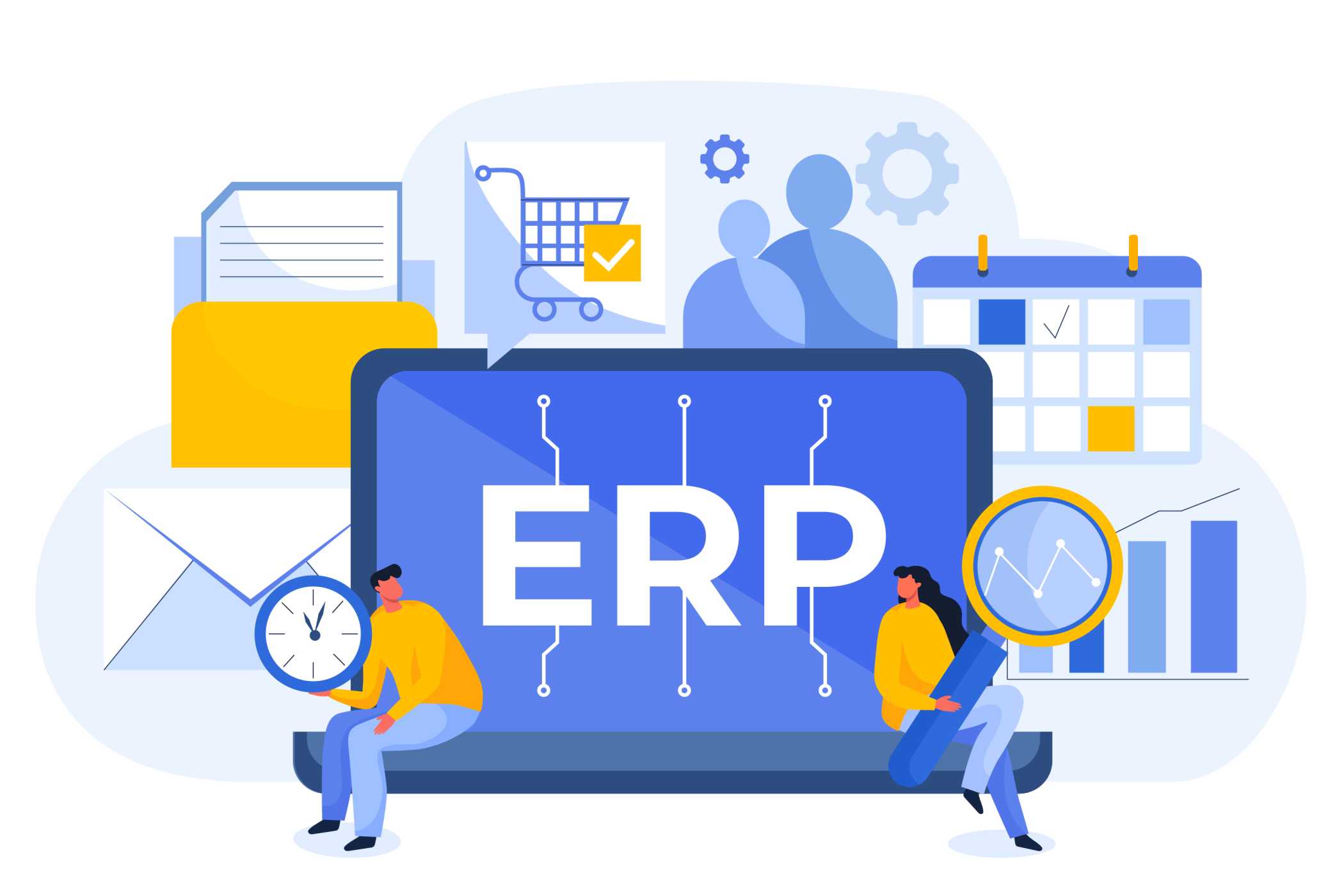
ERP systems bring together finance, inventory, HR and supply chain into a single system. This allows businesses to:
- Track resources like cash, stock, and production capacity in real time
- Standardise processes across departments
- Reduce duplication and manual errors
ERP essentially acts as the operational backbone of a business, ensuring everything runs efficiently.
CRM in customer management
CRM systems focus on managing customer relationships across the entire lifecycle. They help businesses:
- Track leads, opportunities and conversions
- Manage communication across channels
- Analyse customer behaviour and preferences
This allows sales and support teams to respond faster, customise communication and enhance customer retention.
Difference between ERP and CRM
The primary difference between ERP and CRM is the area of the business they manage.
- Business focus: ERP supports back-office functions like accounting, procurement, and supply chain, whereas CRM supports front-office functions like marketing, sales and customer service.
- Core purpose: ERP is designed to reduce operational costs and improve efficiency, while CRM is designed to increase revenue through better customer acquisition, retention and satisfaction.
- Data handled: ERP data is structured and transaction-based (orders, invoices, inventory), while CRM data is interaction-based (calls, emails, behaviour), making it more dynamic and customer-focused.
- Teams using it: ERP is used by finance and operations teams, while CRM is used by sales, marketing, and customer service teams.
Should businesses use ERP or CRM or both?
The decision of whether to use ERP and CRM depends on what the business needs to improve, or what the business is looking to address -
Where ERP is required
ERP is required when:
- Operations are fragmented across systems.
- Inventory or accounting errors are frequent.
- There is no real-time visibility into business performance.
When CRM is needed
CRM is applicable when:
- Leads are not tracked properly.
- Sales follow-ups are inconsistent.
- Customer data is scattered.
When both are needed
Growing businesses often need both systems. They are integrated when:
- Sales depend on inventory or delivery timelines.
- Customer demand needs to align with operations.
- Business decisions require both operational and customer data.
How ERP and CRM work together
ERP and CRM can be complementary and should not be seen as substitutes or replacements of each other. When integrated, both systems share relevant and effective data. The combined use of the two software systems can allow a business to augment its efficiency and capacity both in terms of business operations and customer management, parallely.
For example, sales employees working with CRM can get inventory or order data via ERP and provide accurate updates to customers. Meanwhile, customer information in CRM can be used in ERP to enhance demand planning and operations. Integration removes data silos, improves forecasting accuracy, and enables a unified view of both operations and customers, helping businesses make faster and more informed decisions.
Conclusion
ERP and CRM serve different purposes but are both essential for managing a business effectively. ERP improves internal operations, while CRM strengthens customer relationships. Choosing the right system depends on whether the priority is operational control, customer management, or both.
For businesses looking to manage operations in a structured way, solutions like TallyPrime help bring accounting and inventory data together in a single system, making day-to-day operations more accurate and easier to manage.














