










Something I've noticed talking to small business owners over the past couple of years: almost everyone is doing some version of content marketing now. They're posting on Instagram, putting out LinkedIn updates, maybe running a YouTube channel. The effort is real. But when I ask them what it's actually brought in, most of them go quiet or give me some variation of "we're building brand awareness."
Which, look, brand awareness is a real thing. But it's also a very convenient answer when you can't point to results.
I don't say this to be harsh. I've been in conversations where the content team was working genuinely hard, producing three to four posts a week, getting decent engagement on some of them, and the business owner had no idea whether any of it was contributing to sales. That disconnect is the real problem, and it's more common than most people want to admit.
So let me try to be actually useful here, rather than just adding to the pile of content marketing content that tells you content marketing is important.
The volume trap
When businesses realise their content isn't working, the most common reaction is to do more of it. Post more frequently. Be on more platforms. Hire a bigger content team.
I understand the logic. If you're getting some results from one post a week, surely two posts a week will give you double the results, right?
Not really, no. And the data backs this up pretty uncomfortably. Something like 90% of content published online receives zero organic traffic from search. Not a little traffic. Literally nothing. That means the vast majority of what gets created just... sits there. It exists without doing anything.
The businesses that actually get results from content aren't the ones producing the most. They tend to produce less, but with a much clearer sense of who they're talking to and what that person needs to hear. I know that sounds obvious when I write it out, but the operational reality in most companies is the opposite. The KPI is output. Publish X pieces per month. Hit the number. Move on.
That's not content marketing. That's content production. Different things.
Why outsourcing the whole thing doesn't work
Okay so this one is going to be a bit uncomfortable for some people.
There's a version of content marketing where the business owner hands over passwords to a social media agency or an in-house content person, gets onboarded in a 45-minute call, and then expects "content" to happen. The team is briefed on tone, given some brand guidelines, maybe a content calendar, and off they go.
The problem is that the content that actually builds trust and eventually drives sales isn't the stuff that comes from a brief. It comes from knowing the business deeply. It comes from understanding what question the customer service team gets asked on every third call. It comes from knowing which product keeps returning repeat buyers and why. It comes from the founder having an actual opinion about something in their industry, one they'd defend in an argument, not just a safe take designed to appeal to everyone.
A content team working from a brief can produce content that is correct. Grammatically fine, factually accurate, visually consistent. But correctness is a very low bar. The question is whether it's interesting. Whether someone who was about to scroll past actually stops. And that usually requires something specific, something that could only come from someone who genuinely knows the business from the inside.
I'm not saying outsourcing doesn't work. It can. But only when the business owner is genuinely involved in shaping what goes out, not just approving it after the fact.
The platform algorithm thing (which genuinely matters and most people misunderstand)
Here's something worth spending a minute on because it changes how you should think about the content you create.
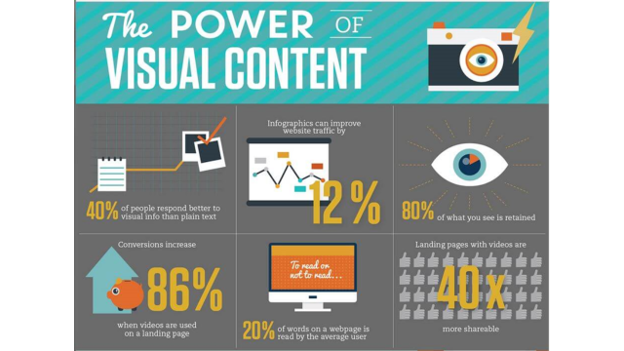
Every social platform, and honestly Google too now, has the same basic interest: they want people to stay on their platform. Every minute a user spends on Instagram is a minute they're seeing ads, and that's the business model. So when you create content that sends people away from the platform (clicking an external link, going to your website, visiting your bio link), the platform is slightly working against you. It might push that content to fewer people, because from the platform's perspective, you just took one of their users somewhere else.
This is why posts that say "click the link in bio for the full thing" consistently underperform compared to posts that give you the full thing right there. The platform rewards content that keeps people on the platform. Not because it's being vindictive, just because that's what the incentive structure produces.
Jo dikhta hai, vo bikta hai. The old saying. But it matters where you're being seen and whether the platform wants to show you.
Distribution used to mean more shelf space in more cities. Now it means understanding that you're renting real estate on platforms that have their own interests, and you have to work within those interests rather than against them.
Practically what this means: give the value inside the post itself. Don't tease it. If you have a useful framework, share the whole framework in the post. If you're teaching something, teach it fully. The people who want to go deeper will find you. And the platform will push your content further because you're keeping people engaged on their turf.
What types of content are actually performing right now
I want to be specific here because "create valuable content" is advice that sounds meaningful and means nothing.
The content I've seen work consistently, across different business types, has a few things in common. It's usually rooted in something specific, not generic. "Here's what I learned from three years of running a small manufacturing business in Pune" outperforms "here are five tips for running a manufacturing business" almost every time, because the specific version is credible in a way the generic version can't be. The reader can feel the difference.
It's also usually honest about what didn't work, not just what did. There's a lot of content that's basically dressed-up case studies of success. The content that gets shared and remembered tends to include the failure, the false start, the embarrassing misjudgement that cost the business something. Not because audiences are mean-spirited, but because that's where the actual learning is. And because it signals that the person talking actually went through something, rather than just summarising what someone else went through.
Behind-the-scenes content still works, genuinely. Not the polished "day in the life" version with smooth cuts and lo-fi music. The actual behind-the-scenes. The WhatsApp thread with the vendor that went sideways and how you resolved it (obviously with names changed). The photo of the packaging table at 11pm before a big dispatch. The moment of the business that you'd normally not show because it doesn't look professional. That stuff builds a connection that no amount of well-lit product photography achieves.
The AI content problem, since we're here
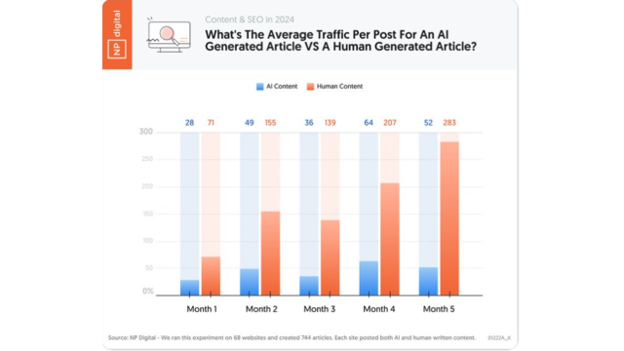
AI can produce a lot of content very quickly. If you haven't noticed the effects of this yet, you will. The volume of text being published online is increasing in a way that has no historical equivalent, and a significant portion of it is AI-generated or heavily AI-assisted.
The strange consequence of this is that genuinely human content is becoming more distinctive, not less. When everything sounds polished and competent and correctly structured, the thing that stands out is the content that sounds like a specific, flawed, opinionated person. The thing that has a slightly imperfect sentence in it because that's how the person actually talks. The thing that takes a slightly unusual position and defends it with a bit of heat.
I'm not arguing against using AI as a tool. That's a separate conversation. But if you're producing content that could have been written by anyone, or by a machine briefed with your brand guidelines, it's probably not doing the work you need it to do.
One more thing about the "free sample" idea
Someone used this analogy with me once and I've found myself coming back to it.
Content marketing is basically the free sample at a food stall. If you eat the sample and it's good, you stop walking. You might try a bit more. You ask what's in it. You buy. If there's no sample, or the sample is mediocre, you keep moving because there are a lot of other stalls and you don't have infinite time.
Your content is the sample. Every post, every video, every LinkedIn update is a small taste of how you think, what you know, and whether spending more time with your business is worth someone's attention. If the sample is safe and generic, people keep scrolling. If it's specific and useful and a bit unexpected, they stop.
Most businesses haven't made the sample good enough yet. That's genuinely the whole problem, and also, usefully, the whole solution.







