



Plywood is classified under HSN 4412 in Chapter 44 (Wood and Articles of Wood) and is taxed under GST as an engineered wood product widely used in construction, furniture and interiors. This classification directly impacts how businesses apply Goods and Services Tax (GST) rates, issue invoices and claim input tax credit, making accurate categorisation essential for compliance and cost control.
HSN (Harmonised System of Nomenclature) 4412 covers plywood, veneered panels and similar laminated wood products made by bonding layers of wood under pressure. These products are treated as standardised goods under GST, ensuring uniform tax application across most plywood categories.
While the general GST rate remains consistent, classification may vary slightly depending on thickness, wood type, surface finish and end use, which businesses must account for when invoicing and reporting.
What are the different plywood HSN codes and how is plywood classified?
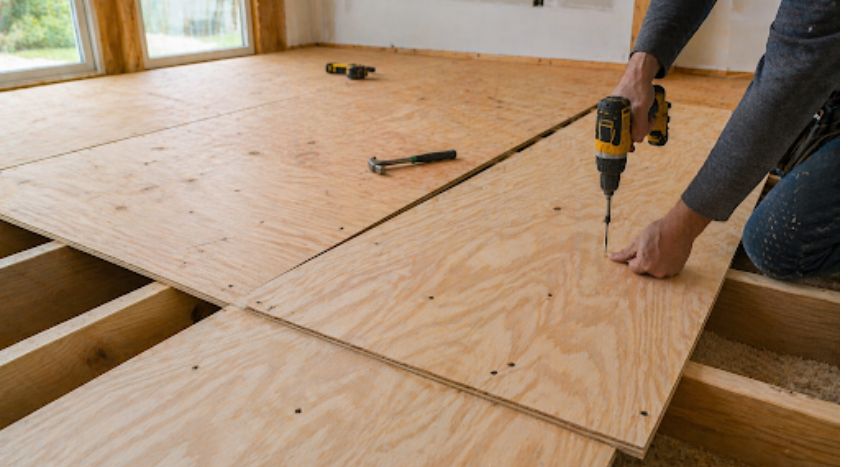
The table below outlines the key HSN codes and descriptions related to plywood and related wood-based products:
|
Category |
HSN Code / Number |
Description |
|
Plywood, veneered panels and laminated wood |
4412 |
Covers plywood sheets, veneered panels and similar laminated wood products used in furniture and construction. |
|
Bamboo plywood |
4412 10 00 |
Plywood made using bamboo layers or strips. |
|
Non-bamboo wood sheets plywood |
4412 34 |
Classifies specialised plywood made from non-bamboo wood sheets, where each ply is 6 mm or less, and at least one outer ply is a specific non-coniferous (hardwood) type. Common sub-codes include: 4412 34 10: Decorative plywood with non-coniferous outer ply 4412 34 20: Tea chest panels (non-coniferous) 4412 34 30: Marine/aircraft plywood with non-coniferous outer ply 4412 34 40: Cutting and trimmings of plywood (width 5 cm) 4412 34 90: Other |
|
Decorative / laminated plywood |
4412 31 |
Includes plywood with decorative surface layers or laminates used in interiors and furniture. |
|
Non-coniferous plywood |
4412 33 |
Covers plywood, consisting solely of sheets of wood, with at least one outer ply of specific non-coniferous wood (such as alder, ash, birch or eucalyptus), where each ply does not exceed 6 mm thickness. Main sub-classifications include: 4412 33 10: Decorative plywood 4412 33 30: Marine and Aircraft plywood 4412 33 40: Cutting and trimmings of plywood 4412 33 90: Other, with at least one outer ply of non-coniferous wood. |
|
Coniferous plywood |
4412 39 |
Includes plywood and laminated wood products, specifically featuring outer plies made of coniferous wood where each layer is 6 mm thick or less. Sub-classifications cover various types, including decorative plywood (44123910), tea chest panels (44123920), marine/aircraft plywood (44123930), small cuttings (44123940) and other coniferous plywood (44123990). |
|
Veneered panels |
4412 41 |
Pertains to plywood, veneered panels and similar laminated wood products that contain at least one outer ply of tropical wood (e.g., Acacia, Teak, Meranti). Its common applications are in furniture manufacturing, decorative panels and structural plywood. |
|
Laminated Veneered Lumber (LVL) |
4412 49 |
Refers to Laminated Veneered Lumber (LVL) that is characterised as "Other, with both outer plies of coniferous wood". It’s commonly used in structural applications, construction and sometimes in furniture manufacturing. |
|
Blockboard (tropical outer ply) |
4412 51 |
Refers to plywood, veneered panels and similar laminated wood that feature at least one outer ply of tropical wood. This classification includes products like blockboard, laminboard and battenboard. |
|
Blockboard (non-coniferous) |
4412 52 |
Covers wood products classified as plywood, veneered panels and similar laminated wood, specifically featuring at least one outer ply of non-coniferous wood. It includes products like blockboard, laminboard and battenboard, commonly used in construction and furniture making. |
|
Blockboard (coniferous) |
4412 59 |
Other plywood, veneered panels and similar type of laminated wood, specifically featuring both outer plies of coniferous wood. It is commonly used for trade in blockboard, laminboard and battenboard. |
|
Blockboard / flush doors |
4412 99 |
Includes blockboard, flush doors and similar engineered wood boards. |
|
Fire-retardant plywood |
4412 94 |
Special plywood treated for fire resistance, used in commercial and safety applications. |
|
Particle board and similar boards |
4410 |
Includes particle board, Medium Density Fibreboard (MDF) and other engineered wood alternatives to plywood. |
|
Builders’ joinery and carpentry (doors, frames) |
4418 |
Includes wooden doors, window frames and structural wood components. |
What is the GST rate on plywood?
Following the GST rate rationalisation approved at the 56th GST Council Meeting held in September 2025, the GST structure was simplified into three major slabs: 5%, 18% and 40%. Under the revised framework effective from 22 September 2025, plywood products were placed under the standard 18% GST slab, replacing the earlier 28% rate applicable on several plywood and laminated wood categories.
This reduction has lowered the tax burden on furniture manufacturers, builders, interior contractors and hardware businesses, while also improving compliance in the wood and construction sector.
How to choose the correct plywood HSN code?
Since different wood-based products may look similar but fall under different headings, businesses must assess specific product characteristics before assigning a code. To classify plywood accurately, consider:
- Type of product: plywood, blockboard, MDF, etc.
- Surface finish: decorative, laminated or plain
- Usage: furniture, construction or structural use
- Manufacturing process: layered plywood vs compressed boards
Choosing the correct wood HSN code ensures accurate GST application and helps avoid classification errors during invoicing and compliance.
What are the common mistakes in plywood HSN classification?
Even though plywood classification seems simple, businesses often make errors that affect GST compliance:
- Using incorrect HSN codes for different wood products: Plywood (4412), MDF/particle board (4410) and wooden doors (4418) are different categories. Mixing them can lead to incorrect reporting.
- Assuming all wood products have the same classification: While the GST rate may be similar (18%), classification depends on the product type, structure and use.
- Incorrect invoicing of mixed products: Bundling plywood with other materials (like hardware or laminates) without proper breakup can create compliance issues.
- Ignoring product specifications: Factors such as veneer type, thickness and treatment (e.g., fire-retardant) may affect the exact sub-classification.
Conclusion
Plywood classification under GST is relatively straightforward, with most products falling under HSN 4412 and attracting a standard 18% GST rate. However, differences between plywood, MDF, blockboard and other wood products make correct classification essential for compliance.
For businesses dealing in multiple wood-based products, maintaining accurate HSN mapping and structured invoicing is key to avoiding errors and ensuring smooth GST filings. Using solutions like TallyPrime can help automate classification, efficiently manage invoices and ensure GST compliance, making day-to-day operations easier and more reliable.














