






Milk HSN codes fall under Chapter 4 of the GST classification system, with fresh and pasteurised milk generally classified under HSN Code 0401 and exempt from GST. However, processed dairy products such as butter, cheese, ghee and milk powder attract GST based on their preparation, packaging and shelf life, usually at 5%.
Understanding the correct milk HSN code and GST rate is important for dairy businesses because even small differences, such as whether milk is flavoured, concentrated or sold in branded packaging, can change both the HSN code and applicable tax rate. Chapter 4 covers a broad range of dairy produce and animal-origin products, including milk, curd, yoghurt, butter, cheese, whey and eggs.
For businesses dealing in dairy products, knowing the applicable milk HSN code and GST rate is essential for accurate invoicing, GST filing, input tax credit claims and avoiding classification disputes during audits or compliance checks.
What is the milk & dairy HSN code with GST rate
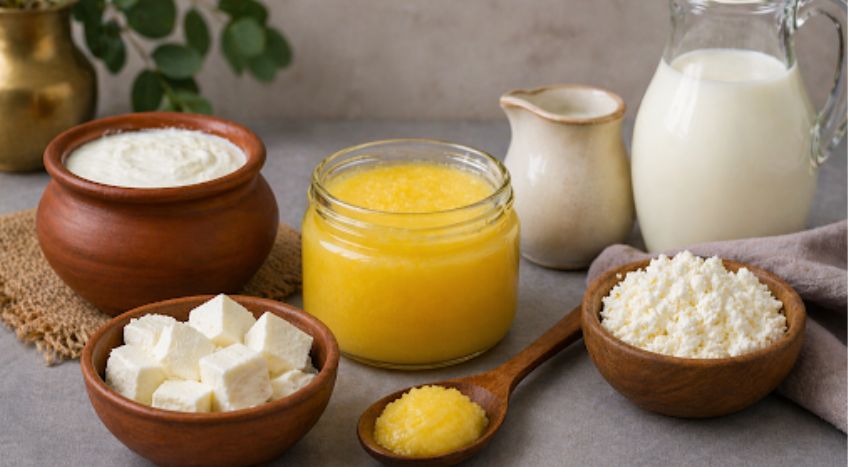
The table below provides a detailed classification of milk and related dairy products along with their applicable HSN codes and GST rates.
|
Category |
HSN Code / Number |
Description |
Correct GST Rate |
|
Fresh milk & cream |
401 |
Milk and cream, not concentrated or sweetened |
0% |
|
Fresh milk (low fat) |
0401 10 00 |
Milk & cream with fat content ≤1% |
0% |
|
Fresh milk (standard) |
0401 20 00 |
Milk & cream with fat content >1% to 6% |
0% |
|
Fresh milk (high fat) |
0401 40 00 |
Milk & cream with fat content >6% to 10% |
0% |
|
Fresh milk (very high fat) |
0401 50 00 |
Milk & cream with fat content >10% |
0% |
|
UHT milk / long-life milk |
401 |
Ultra-high temperature processed milk including tetra pack milk |
0% |
|
Milk powder / condensed milk |
402 |
Concentrated milk and cream including sweetened milk |
5% |
|
Skimmed milk powder |
0402 10 10 |
Milk powder with fat content ≤1.5% |
5% |
|
Baby milk food |
0402 10 20 |
Infant milk food preparations |
5% |
|
Other milk powder |
0402 10 90 |
Other powdered milk products |
5% |
|
Milk powder (without sugar) |
0402 21 00 |
Unsweetened milk powder |
5% |
|
Whole milk powder |
0402 29 10 |
Whole milk powder |
5% |
|
Other concentrated milk |
0402 29 90 |
Other concentrated milk products |
5% |
|
Condensed milk |
402 |
Condensed milk variants |
5% |
|
Curd, yoghurt & buttermilk |
403 |
Fermented dairy products including curd, lassi and buttermilk |
0% |
|
Yoghurt |
0403 10 00 |
Plain or flavoured yoghurt under Chapter 4 classification |
5% |
|
Buttermilk |
0403 90 10 |
Traditional buttermilk |
0% |
|
Curd / lassi |
0403 90 90 |
Curd and lassi |
0% |
|
Whey & dairy derivatives |
404 |
Whey and natural milk constituent products |
5% |
|
Whey (liquid) |
0404 10 10 |
Liquid whey |
5% |
|
Whey (powder) |
0404 10 20 |
Powdered whey |
5% |
|
Other dairy derivatives |
0404 90 00 |
Other dairy-based derivatives |
5% |
|
Butter & dairy fats |
405 |
Butter, ghee and dairy spreads |
5% |
|
Butter |
0405 10 00 |
Butter |
5% |
|
Dairy spreads |
0405 20 00 |
Spreadable dairy fats |
5% |
|
Ghee |
0405 90 20 |
Clarified butter (ghee) |
5% |
|
Other dairy fats |
0405 90 90 |
Other milk fats and oils |
5% |
|
Cheese & paneer |
406 |
Cheese, paneer and similar dairy products |
Mostly 0% / 5% for cheese |
|
Paneer / chhena |
0406 10 00 |
Unripened cheese including paneer |
0% |
|
Processed cheese |
0406 30 00 |
Processed cheese |
5% |
|
Other cheese |
0406 90 00 |
Other cheese varieties |
5% |
|
Eggs |
407 |
Birds’ eggs in shell, fresh or preserved |
0% |
|
Egg products (processed) |
408 |
Processed or dried egg products |
5% |
Notes:
- Fresh milk, pasteurised milk and UHT milk currently attract Nil GST under HSN 0401.
- Several essential dairy products, such as paneer, butter, cheese and ghee, saw reductions or exemptions in GST after the September 2025 GST rationalisation measures, while GST on curd, lassi and buttermilk still depends on packaging and classification.
- GST applicability to dairy products continues to depend significantly on whether the goods are pre-packaged and labelled under the Legal Metrology provisions. However, certain products, such as UHT milk and paneer, are now exempt even when packaged.
- Flavoured milk, milk-based beverages and ready-to-drink dairy drinks may fall under HSN 2202 rather than Chapter 4, depending on their composition, sweeteners, flavourings and intended use.
How GST applies to milk based on processing and packaging
GST on milk and dairy products depends mainly on how the product is processed and whether it is sold loose, packaged or labelled. The same milk product can attract different GST treatment based on its form, shelf life, ingredients and packaging classification under GST rules.
Fresh or Unprocessed Milk - 0% GST (Exempt)
Milk sold in its natural or minimally processed form, including raw milk, pasteurised milk and loose milk, is treated as an essential food item under GST and remains fully exempt. Fresh milk classified under HSN 0401 generally attracts Nil GST, even when pasteurised or UHT processed, provided it does not contain added flavouring or other taxable modifications.
Processed or Packaged Dairy Products - Usually 5% GST
Once milk is converted into products such as paneer, butter, ghee, cheese, curd or milk powder, it is usually taxed at 5% GST under the relevant Chapter 4 HSN code. GST liability may also depend on whether the product is pre-packaged and labelled under Legal Metrology rules. However, certain essential dairy products now continue to enjoy exemption even in packaged form.
What are the common mistakes to avoid in Milk HSN classification
Incorrect milk HSN classification can lead to GST mismatches, invoicing errors, input tax credit disputes and penalties during audits. Many businesses assume all dairy products receive the same GST treatment, but classification often changes based on processing, packaging and product type.
Some of the most common mistakes include:
- Treating all milk products as exempt: Only fresh milk and certain essential dairy products are exempt. Processed, flavoured or packaged dairy products may be subject to GST.
- Ignoring packaging conditions: Pre-packaged and labelled dairy products are often taxable under GST, even when their loose or unpackaged versions are exempt.
- Mixing up dairy categories: Paneer, butter, cheese, ghee and milk powder fall under different HSN classifications and should not be grouped under a single code.
- Incorrect invoicing of mixed dairy products: Combining multiple dairy products under a single HSN code rather than listing them separately can create GST compliance and reporting issues.
How to select the right milk HSN code
The correct milk HSN code depends on the product’s composition, level of processing and method of sale. Even products made from the same base ingredient, milk, can fall under different HSN classifications and GST rates based on how they are processed, packaged or marketed.
To identify the appropriate classification, businesses should check:
- Nature of the product: Whether the item is fresh milk or a processed dairy product.
- Level of processing: Whether the product is raw, pasteurised, fermented, concentrated or dehydrated.
- Packaging: Whether the product is sold loose or as a pre-packaged and labelled item under Legal Metrology rules.
- Product category: Whether the item is classified as milk, paneer, butter, cheese, curd, ghee or another dairy derivative.
Conclusion
Correct milk HSN classification is not just a GST formality. It directly affects invoicing accuracy, input tax credit claims and overall compliance for dairy businesses. Even small differences in processing, flavouring, packaging or labelling can change the applicable HSN code and GST rate, making proper classification essential to avoid disputes and penalties.
Businesses dealing in milk, paneer, butter, ghee, curd, cheese or other dairy products should regularly review product classifications against the latest GST notifications and packaging rules to ensure tax accuracy.
Using reliable accounting and compliance solutions like TallyPrime can simplify HSN classification, automate GST calculations and improve invoicing accuracy, helping businesses manage dairy GST compliance with greater confidence and consistency.