



Fixed capital and working capital differ in how they are used, their duration and liquidity. Fixed capital funds are non-current assets that generate revenue over multiple accounting periods, while working capital represents short-term resources for daily operations and immediate obligations.
Every business needs the right mix of both: long-term investments build a structural foundation, and short-term funds ensure smooth liquidity and uninterrupted operations. Using these financial resources effectively is crucial for long-term survival.
What is the difference between fixed capital and working capital?
Comparing fixed capital and working capital requires examining their liquidity, purpose and funding sources. Understanding the difference helps businesses structure financial planning and risk management strategies and avoid potential cash flow issues.
Key contrasting factors include:
- Core purpose: Long-term capital acquires permanent assets that form the revenue-generating base. Short-term capital finances daily activities and completes the cash conversion cycle.
- Asset liquidity: Long-term assets are highly illiquid and may take months or years to sell. Short-term assets are highly liquid and frequently converted into cash within weeks.
- Investment duration: Permanent investments remain in the business for years or decades. Operational funds circulate continuously throughout a single financial year.
- Funding sources: Companies raise long-term funds through equity shares, debentures or long-term bank loans. Short-term funds come from trade credit, bank overdrafts or cash credit accounts.
- Risk factor: Heavy investment in permanent assets carries a higher risk due to technological obsolescence and market changes. Operational funds carry lower structural risk but require constant monitoring to prevent cash shortages.
What constitutes fixed capital in an enterprise?
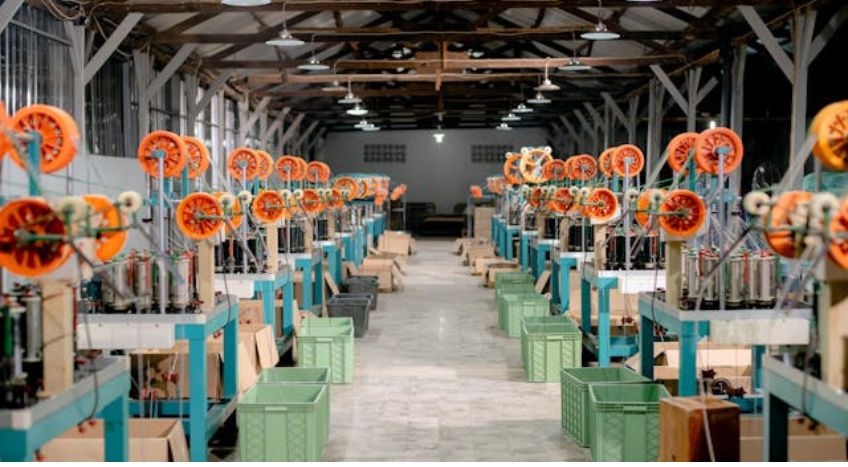
Fixed capital involves money invested in assets that remain in the business for an extended period. Business owners use these assets repeatedly to produce goods or provide services without consuming them during a single production cycle. These assets are classified as non-current assets in the balance sheet, in accordance with standard accounting practices (including Indian Accounting Standards). They are not readily convertible into cash, making them highly illiquid. Establishing a new manufacturing unit or expanding an existing retail chain requires substantial long-term capital.
Here are common examples of long-term asset investments:
- Acquiring land and constructing factory buildings
- Purchasing heavy machinery and manufacturing equipment
- Installing office furniture and technological hardware
- Buying vehicles used for logistics and transportation
- Securing intangible assets like patents and trademarks, including software licences and intellectual property rights
How does working capital operate within a daily business setup?
Working capital acts as the lifeblood of daily business operations. It is the money available to meet immediate obligations and fund the ongoing operating cycle.
Working capital is classified into:
- Gross working capital: Total current assets
- Net working capital: Current assets minus current liabilities
Formula:
Net Working Capital = Current Assets – Current Liabilities
A positive figure indicates financial health, allowing the business to operate smoothly. Without adequate short-term funds, even a highly profitable company with substantial long-term assets may struggle due to liquidity constraints.
The following elements typically consume short-term funds:
- Purchasing raw materials for immediate production schedules
- Paying wages to factory workers and administrative staff
- Clearing utility bills, insurance premiums and monthly rent
- Managing inventory levels to meet fluctuating customer demand
- Providing credit facilities to trusted buyers and clients
Working capital is closely linked to the operating cycle (cash conversion cycle), which includes inventory holding, receivables collection and payables management.
How do companies determine their overall capital requirements?
Estimating the funding a business needs requires careful analysis of its industry and business model. The nature of the business dictates the balance between long-term and short-term investments.
For example, a heavy manufacturing plant requires substantial permanent assets, while a retail trading shop needs minimal permanent infrastructure but significant short-term funds to maintain inventory.
Several factors influence financial requirements:
- The scale of operations and production capacity
- The length of the operating cycle from raw materials to finished goods
- The credit policy offered to customers versus the credit received from suppliers
- The rate of technological change within the industry
- The cash conversion cycle, including inventory days, receivable days and payable days
Final remarks
Striking the right balance between fixed capital and working capital is crucial for keeping a business stable and flexible. Long-term investments build a solid growth foundation, while efficient working capital management ensures smooth daily operations and prevents cash flow disruptions. Regularly reviewing the balance sheet, tracking the operating cycle and aligning funding sources with asset types helps maintain financial stability.
With TallyPrime, you can monitor your balance sheet, analyse working capital reports and track receivables and payables in real time. Start using TallyPrime today to manage your capital efficiently and stay on top of your finances.














