







Insights on healthy frugality, metrics, and scenario planning
The morning podcast that made me pause
A few weeks ago, while driving to the office, I was listening to a startup podcast where founders were debating why so many early-stage companies run out of money despite raising decent funding.
One founder said something that I couldn’t ignore:
“We weren’t running out of ideas. We were running out of cash.”
That line hit me hard because I’ve seen this pattern many times.
Not because startups are careless — but because agility often blindsides discipline.
In the startup world, speed is celebrated. Experiments, pivots, rapid team scaling — all are signs of growth.
But speed without structure can burn through cash faster than anyone expects.
And that’s when financial discipline becomes a superpower — not to slow you down, but to keep you alive long enough to win.

1. The real enemy isn’t spending — It’s untracked spending
One common mistake I see in early-stage companies is confusing agility with improvisation.
A founder once told me,
“We spend only on what feels necessary.”
But “feels necessary” is dangerous without data behind it.
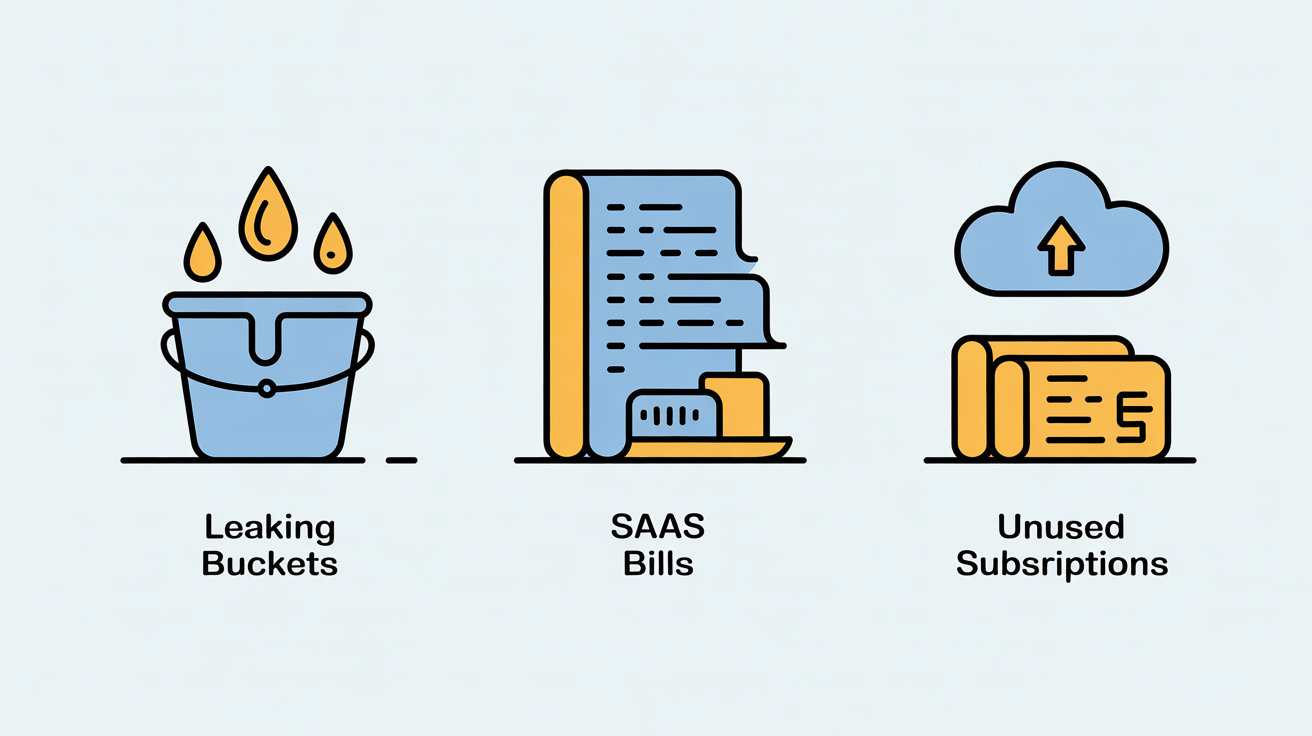
Here’s what usually goes untracked in fast-moving startups:
- Extra marketing experiments that don’t convert
- Cloud and SaaS tools piling up with unused licenses
- Hiring ahead of revenue
- Vendor payments without cash planning
- Founder travel & networking costs
When we did a quick review, their burn rate nearly doubled in six months — not due to big decisions, but because of lots of small, invisible leaks.
CFO insight
Financial discipline doesn’t mean “spend less”. It means “know what you’re spending — and why”.
2. Healthy frugality: Cut noise, not growth
Every startup has two types of costs:
Growth costs (Good)
- Product development
- Revenue-generating hires
- Customer acquisition tests
- Technology infrastructure
Noise costs (Bad)
- Fancy office upgrades
- Non-essential subscriptions
- Meetings that become trips
- Hiring without role clarity
A founder once asked me,
“If we cut costs, won’t we slow down?”
My answer: “Cut the costs that slow you down — not the ones that help you grow.”
Healthy frugality is about removing waste, not removing speed.
Healthy frugality checklist:
- Freeze non-essential travel
- Review all SaaS tools every quarter
- Set team-level spending limits
- Encourage “sharing” tools instead of buying multiples
- Build a culture of “proof before scale”

3. The startup metrics that actually matter
Many founders track dozens of KPIs — but few track the ones that truly control survival.
Here are the four burn-control metrics every startup should review weekly:
1. Monthly burn rate
How much money leaves your bank each month?
2. Runway
How many months before your cash hits zero?
3. CAC vs LTV
Are you making more from customers than it costs to acquire them?
4. Hiring ROI
Are the people you hire directly contributing to growth?
When founders start tracking these, their decisions become sharper overnight.
Bonus tip:
Use software such as TallyPrime to track real-time expenses, categorize spending, view cash flow, and flag sudden spikes.
Data is clarity. Clarity saves startups.

4. Scenario planning — The survival tool every founder needs
Agile startups often avoid planning because they feel it slows them down.
But scenario planning isn’t about predicting the future.
It’s about not being shocked by it.
I once worked with a startup that built three scenarios:
Best case
Rapid customer adoption, hiring expansion.
Mid case
Steady revenue growth, controlled hiring, limited marketing.
Worst case
Funding delay, slower demand, strict cost control.
When funding got delayed by three months, they simply switched to their “Mid Case” plan — and survived comfortably.
Without scenario planning, the same delay would have caused panic.
Scenario planning formula for startups:
- 12-month cash forecast
- Clear trigger points (“If cash falls below X, switch to Y plan”)
- Hiring decisions tied to revenue milestones
- Marketing spend based on CAC trends
- Product roadmap aligned with cash availability

5. Culture matters more than controls
Financial discipline is not just models and dashboards — it’s a mindset.
Startups that thrive financially share one trait:
They treat money like oxygen, not decoration.
And this culture comes from leadership.
How founders can shape money-smart culture:
- Celebrate smart decisions, not expensive ones
- Build transparency around runway & burn
- Teach teams to ask: “Is this essential right now?”
- Review spending weekly, not quarterly
- Share financial updates in monthly townhalls
Disciplined teams are calmer, sharper, and more resilient — and their agility improves because they’re not constantly firefighting cash issues.

Conclusion: Agility wins markets, discipline saves companies
As I switched off the podcast that morning, one thing became clear:
“Startups don’t fail because they dream too big.
They fail because they run out of cash before the dream becomes real.”
Financial discipline isn’t about slowing down innovation.
It’s about buying yourself the time to make innovation work.
CFO’s action plan for founders
- Track burn weekly
- Maintain a minimum 12-month runway
- Build scenario plans
- Remove noise costs
- Invest in the right tools like Tally ERP for real-time visibility
- Create a culture that values thoughtful spending
Startups that master this balance — discipline + agility — don’t just survive.
They scale with confidence.