Input VAT recovery in the UAE allows VAT-registered businesses to reclaim tax paid on eligible purchases and expenses by offsetting it against output VAT in their FTA return. Claiming it is not automatic. Businesses must meet specific UAE input VAT recovery rules, maintain valid tax invoices and follow the correct filing process through the Federal Tax Authority (FTA) portal.
How input VAT recovery works in the UAE
When filing a VAT return, businesses deduct input VAT (tax paid on purchases) from output VAT (tax collected on sales):
- If output VAT exceeds input VAT, the difference is paid to the FTA
- If input VAT exceeds output VAT, the business can carry the amount forward or request a refund
For example, a company pays AED 5,000 as VAT on purchases and collects AED 8,000 as VAT on sales. While filing the return, it can offset the AED 5,000 input VAT against AED 8,000 output VAT and pay only AED 3,000 to the FTA.
Eligibility conditions for UAE input VAT recovery
To recover input VAT under FTA UAE rules, businesses must meet all of the following conditions:
- The business must be VAT-registered
- The expense must be incurred for business use only
- It must relate to taxable supplies (standard-rated or zero-rated)
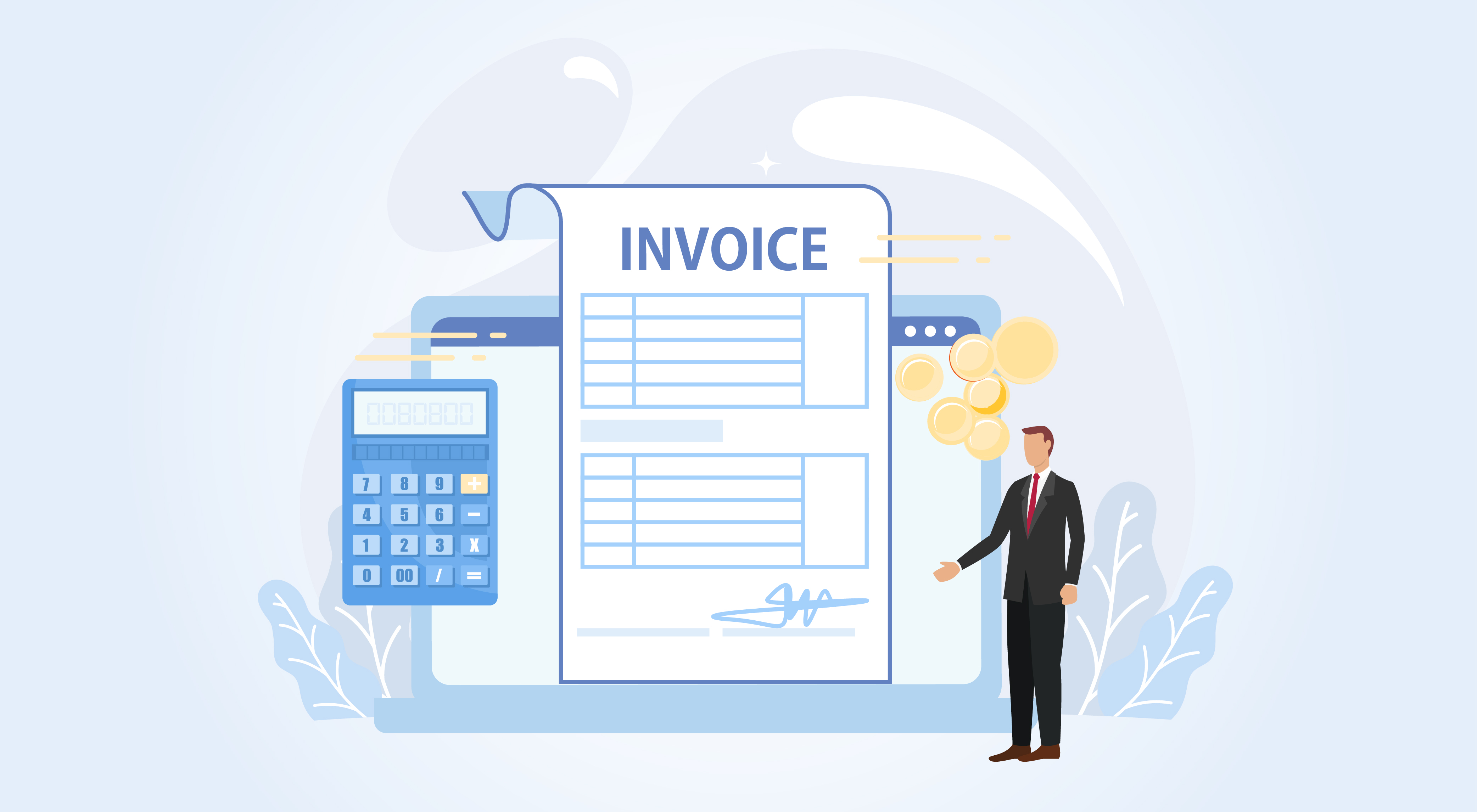
- A valid tax invoice must be held, showing TRN, supplier details and VAT amount
- The goods or services must have been received
- VAT must have been correctly charged and paid by the supplier
- The claim must fall within the allowed time limit (generally up to five years from the relevant tax period)
Claims involving entertainment, personal expenses or certain motor vehicles are blocked under UAE VAT law and cannot be recovered.
Checklist before filing your input VAT claim
Before filing through the FTA portal, verify the following:
- Expense eligibility: Confirm the goods or services are used for taxable supplies, not exempt activities or blocked expense categories
- Valid tax invoices: Invoices must include supplier and recipient TRN, invoice date, description, taxable value and VAT amount
- Supplier VAT registration: Input VAT is only claimable if the supplier is UAE VAT-registered or VAT is properly paid on imports
- Apportionment for mixed-use expenses: Where an expense relates to both taxable and exempt supplies, claim only the eligible portion using a reasonable apportionment method
- Records retained: Keep all invoices, import records and VAT returns for at least five years for audit purposes
When input VAT cannot be recovered in the UAE
The following situations disqualify a claim under the UAE input VAT recovery rules:
- Non-business expenses: VAT on personal costs is not recoverable
- Exempt supplies: VAT linked to exempt activities cannot be claimed
- Entertainment expenses: Client hospitality and leisure costs are disallowed
- Motor vehicles for personal use: Not recoverable unless used exclusively for business
- Invalid invoices: Claims without properly issued tax invoices are rejected
- Goods or services not yet received: VAT cannot be claimed before the supply is completed
- Late claims: Claims beyond the allowed timeframe are not permitted
Step-by-step UAE VAT reclaim process via the FTA portal
Follow these steps to recover input VAT through EmaraTax:
- Log in to EmaraTax and open the VAT return (VAT 201) for the relevant tax period.
- Select the tax period (monthly or quarterly) for which the claim applies.
- Report output VAT by entering VAT collected on all taxable supplies.
- Declare input VAT by reporting recoverable input VAT on purchases and expenses in the designated fields.
- Include reverse charge entries to account for VAT on imports or reverse charge transactions where applicable.
- Review the return by verifying all figures, classifications and apportionment calculations.
- Submit the VAT 201 through the FTA portal to complete the claim.
- Pay any net VAT due, or request a refund if input VAT exceeds output VAT.
Common mistakes to avoid in input VAT recovery in the UAE
Errors in the UAE VAT reclaim process can result in rejected claims, penalties or delayed refunds:
- Claiming VAT on personal, non-business or entertainment expenses
- Including input VAT on expenses linked to exempt activities
- Filing claims against invoices with missing TRN or VAT details
- Claiming before goods or services have been received
- Misapplying or omitting apportionment for mixed-use expenses
- Misclassifying VAT categories in the return
- Missing the five-year claim window
- Submitting the VAT 201 with incorrect entries due to inadequate record checks
Conclusion
Recovering input VAT under FTA UAE rules requires the right documentation, correct expense classification and accurate VAT return filing. A structured approach to the UAE VAT reclaim process reduces errors, protects against penalties and ensures businesses recover all VAT they are entitled to.
TallyPrime helps UAE businesses track input VAT, apply apportionment correctly and file accurate VAT returns, simplifying compliance from invoice to submission.