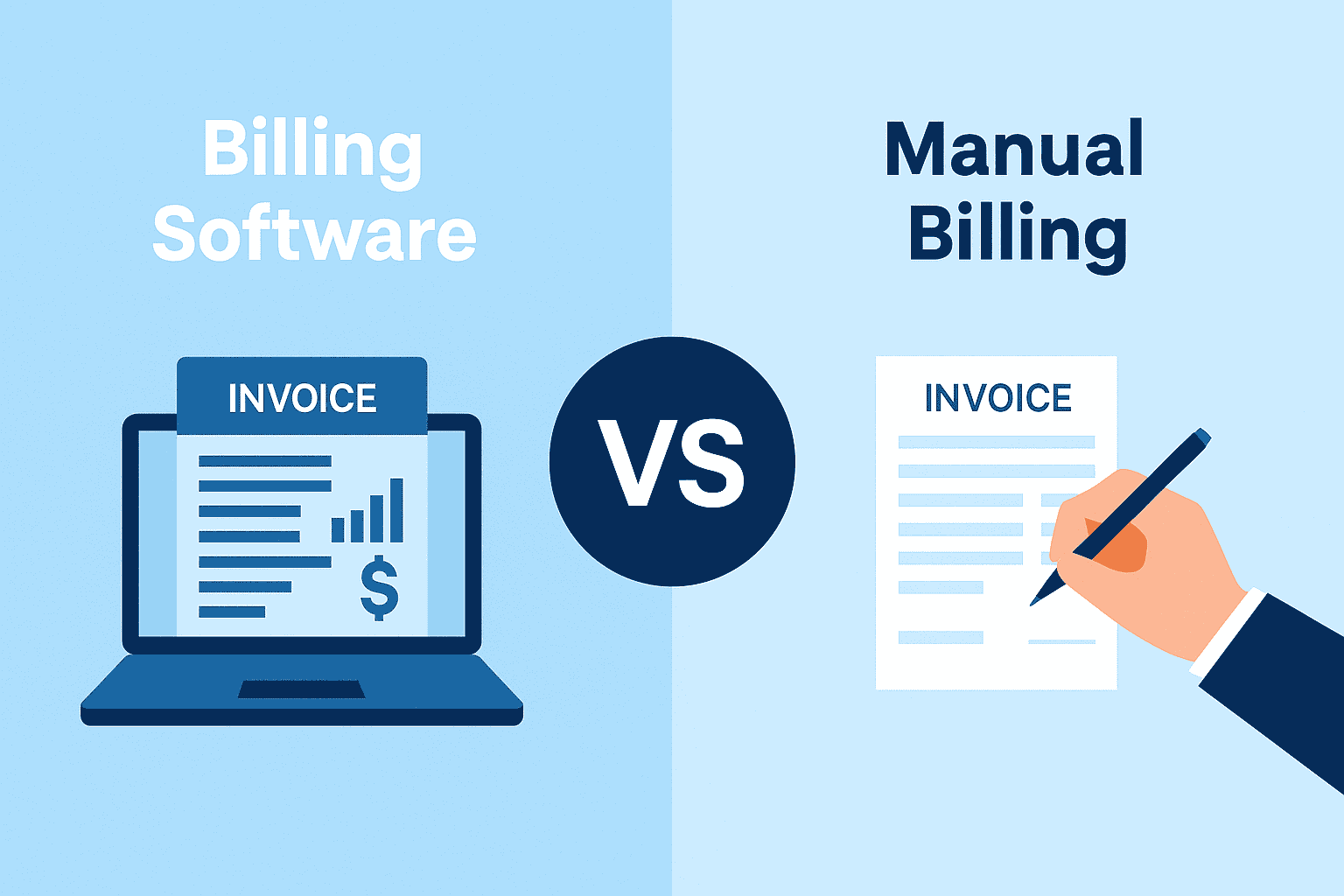
The construction sector in India has always been busy, but the last few years have pushed it into a different league altogether. Larger projects, tighter deadlines, and higher client expectations mean the old ways of managing work are no longer enough. Construction Management Software is becoming essential because many builders still try to juggle everything with spreadsheets, WhatsApp updates, and handwritten notes. But that system collapses the moment a project grows beyond a certain size.
At some point, you need a system that shows you what’s going on without chasing ten people a day. This is where modern best construction management software genuinely makes a difference. It’s not meant to complicate life.
It is built to handle the same day-to-day issues that contractors, site engineers and project managers already deal with, just with fewer errors and fewer surprises.
Importance of Construction Management Software
A good construction management software or tool acts almost like the project’s central nervous system. Instead of five different folders, three files, and constant back-and-forth with the accounts team, you get one interface that ties everything together: accounts, inventory, vendor management, statutory work, approvals, reporting, etc.
Most modern solutions generally cover things like:
- Project-specific accounting and job-wise ledgers
- Material and inventory tracking directly from each site
- Vendor and contractor ledgers, including advances and retentions
- Automated invoicing, GST calculations and compliance updates
- Dashboards that show costs against budgets in real time
- Cloud and mobile access, so people on site can enter updates themselves
None of this replaces your current workflow overnight, but it does plug the gaps that cause losses and delays.
How does the right software solve common challenges for builders?
Here’s how a well-built system tackles the everyday issues that slow builders down:
1. More accurate cost tracking
Anyone who’s managed a project knows that expenses rarely go wrong in a big, dramatic way. It usually starts with a few unrecorded purchases, a late update, or a missing entry. By the time someone realises, the budget is already off course. Software with live project accounting helps catch these deviations early. Builders can look at the numbers mid-week instead of waiting until the end of the month and take corrective steps on time.
2. Clear, real-time material tracking
Construction sites often lose money simply because materials don’t move as planned. Maybe cement was sent to the wrong site, or steel wasn’t reordered on time. With software that logs stock movement, tracks inter-site transfers, and shows low-stock alerts, materials tend to flow far more smoothly. This avoids both wastage and last-minute disruptions.
3. Accurate contractor payment tracking and bookkeeping
Most misunderstandings with contractors happen due to poor tracking of advances, running bills and retention money. When their ledgers are maintained properly inside the system, payment discussions become much easier. It helps both sides work with clarity rather than assumptions.
4. Orderly compliance
GST filings, invoice logs, and purchase orders. Handling all these together can get complicated. Good software automates calculations, generates timely invoices and keeps records tidy. Monthly and quarterly filings become more predictable and far less dependent on manual work.
5. Consistent data across all sites
Two teams working with outdated or different versions of information can slow down decision-making. Integrated dashboards help everyone draw information from the same dataset. When site engineers, supervisors and office staff all operate from the same dataset, errors naturally reduce.
Why digital adoption is becoming essential
A decade ago, many builders felt digital tools were only for large companies. But in the current times, it is shaping up differently. Three trends stand out:
- Projects are bigger and timelines are tighter. Even medium-sized builders now handle work that demands tighter coordination.
- Indian MSMEs are digitising rapidly. Smaller firms are realising that basic digital tools save time and improve cash flow almost immediately.
- Construction software has evolved. It’s more affordable, quicker to set up and designed specifically with contractors and builders in mind, not just large enterprises.
The effort needed to adopt digital tools has reduced, while the benefits have become too significant to ignore.
A simple way to shift to a digital workflow
You don’t need to change everything at once. With tools like TallyPrime, the easiest approach is to start small, pick one project or even one part of the workflow and build from there.
A practical 30-day plan usually looks like this:
- Start by enabling project-wise accounting for a single active site.
- Enter new purchase receipts, issue slips and material consumption into TallyPrime instead of Excel.
- Gradually shift contractor advances, bills and retention entries into the software.
- At the end of the month, generate reports comparing actual costs with planned milestones.
Within a few weeks, most teams notice fewer mismatches, quicker updates and far fewer “we’ll check and get back” moments.
Should you use a Construction Management Software
Construction management software isn’t a complicated upgrade. With tools like TallyPrime, builders get a practical system that brings their project data together, costs, materials, contractor payments and compliance, without disrupting the way they work. It replaces scattered spreadsheets and manual follow-ups with clear, real-time information that’s easy for every team to access.
As projects grow more demanding, having this kind of visibility is essential. TallyPrime helps builders stay organised, reduce mismatches and keep projects moving smoothly, making day-to-day management far more dependable.