Late payments are a common challenge for many small businesses, and even a short delay can disturb cash flow and day-to-day planning. When follow-up reminders are handled manually, it becomes difficult to stay consistent while also managing sales, service and administrative work. Over time, this often results in overdue invoices that are hard to track and even harder to recover.
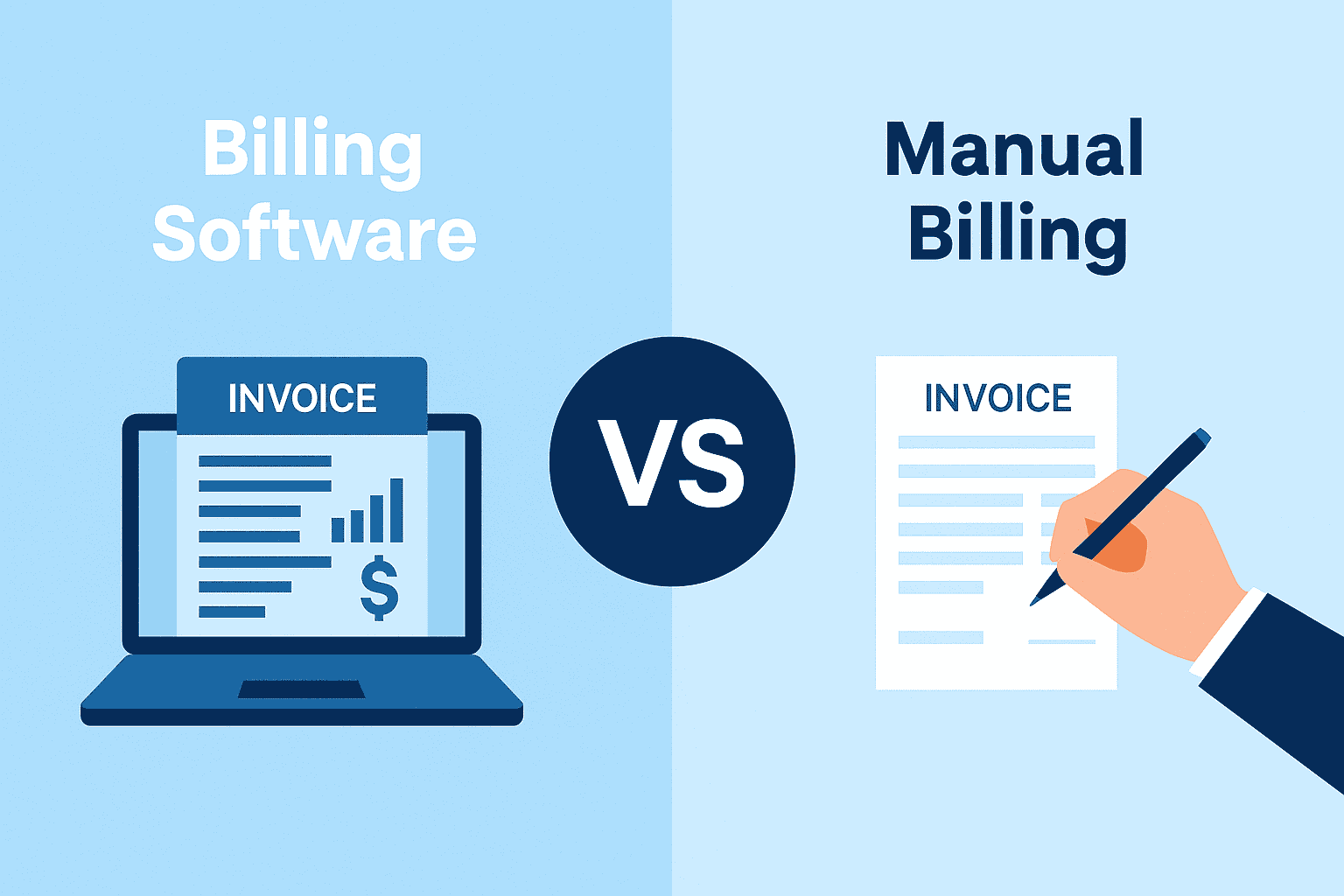
To avoid these gaps, more small businesses are turning to automatic payment reminder and follow-up systems. With the support of reliable billing software, reminders are sent on time, payment updates are easy to monitor and the chances of missed or late payments are reduced significantly. This creates a clearer and more organised payment process for both the business and the customer.
In this blog post, we will look at how automation strengthens payment management and why it is becoming a valuable tool for small businesses today.
Importance of Payment Reminders Matter for Small Businesses
Automated payment reminders play an important role in helping small businesses maintain stability, stay organised and improve overall financial health.
Here is why they are so important:
- Late payments create immediate pressure on cash flow: When money does not come in on time, it becomes difficult to cover daily expenses, manage supplier payments and plan for upcoming business needs. For many small businesses, even small delays can disrupt operations.
- Small businesses depend on predictable income: Unlike larger companies, they often do not have large reserves to fall back on. A few overdue invoices can quickly lead to financial strain and reduce the ability to invest in growth.
- Manual follow-ups take considerable time and effort: Business owners already handle sales, service, bookkeeping and customer queries. Adding payment reminders to this list increases workload and makes consistency harder to maintain.
- Missed reminders can lead to long delays or unpaid invoices: Without a structured system, overdue payments can easily go unnoticed. This often results in longer recovery times and, in some cases, complete payment loss.
- Automated reminders create a reliable and consistent process: They ensure customers receive notifications at the right time, reducing the risk of missed payments and improving the likelihood of timely settlements.
- Billing software strengthens communication and professionalism: Automated, on-time reminders help maintain clear communication with customers, reduce awkward follow-ups and present the business as organised and trustworthy.
What an Effective Payment Reminder and Follow-Up System Should Achieve
A strong payment reminder and follow-up system brings structure to the whole invoicing process. It sets a clear path from the moment an invoice is issued to the moment payment is received.
Here is what a well-built system should help you accomplish:
- Create a predictable reminder cycle: A well-planned workflow should include reminders before the due date, on the due date and after the due date, ensuring no customer is left uninformed at any stage.
- Use consistent and professional messaging: Every reminder should follow a clear format and tone so that customers receive communication that is polite, uniform and easy to understand.
- Ensure every invoice is tracked from start to finish: A good system gives you a clear view of which invoices are pending, overdue or paid, helping you stay organised at all times.
- Enable faster decision making: When you know exactly where each payment stands, you can decide when to follow up manually, when to adjust schedules and when to escalate overdue cases.
- Reduce dependency on manual processes: Automation should handle repetitive tasks while you monitor progress, instead of manually checking, sending or updating reminders.
How Billing Software Automates Payment Reminders
As your customer base grows, the number of invoices to track also increases, which is why billing software for small businesses is helpful in automating reminders and keeping the follow-up process scalable.
Here is how automation functions in a modern billing system:
- Automated scheduling of reminders: You can set reminders at different stages of the payment cycle, and the system sends them automatically without manual follow-ups.
- Multiple communication channels: The software can deliver reminders via email, SMS, WhatsApp, or in-app alerts, increasing the likelihood that customers see the message in time.
- Real-time tracking of payments: Payments are updated automatically as soon as they are received, giving you a clear view of which invoices are settled, pending or overdue.
- Secure and convenient payment options: Integrated payment links enable customers to make quick online payments, reducing delays.
- Centralised record keeping: All reminders and payment updates are stored in one place, making it easier to review past communication and maintain proper records.
Step by Step: Setting Up Your Automatic Reminder System
Building an effective automatic reminder system becomes much easier when you follow a clear and structured approach.
Mentioned below are some key steps to help small businesses create a smooth and reliable payment reminder workflow:
- Choose the right billing software: Select software that offers automated reminders, custom templates, multi-channel support and clear tracking features. Solutions such as TallyPrime help businesses manage invoices and monitor outstanding payments more efficiently in a single system.
- Choose delivery methods such as SMS, email or both: Customers respond differently based on how they prefer to receive information. Email works well for formal communication, while SMS is often seen as faster. Using both ensures higher visibility and improves the chances of timely payments.
- Create clear and professional reminder templates: Prepare message formats for each stage of the payment cycle, including gentle reminders, due date alerts and overdue follow-ups. Well-written templates help maintain professionalism and reduce misunderstandings.
- Set up reminder timelines: Decide when each reminder should be delivered. A simple and effective flow includes a pre-due reminder, a due-date reminder, and an overdue follow-up.
- Enable instant payment options: Activate payment links or gateway integrations if your billing software supports them. Quick and convenient payment options significantly increase on-time settlements.
- Review and adjust your workflow regularly: After the system is running, monitor customer responses and payment patterns. Adjust your templates and timings to improve results and make the process even more efficient.
Best Practices for Smooth and Effective Payment Follow-Ups
A reminder system becomes far more effective when simple, well-planned follow-up practices support it. These habits help maintain clarity, professionalism and timely payments:
- Use a polite and professional tone to maintain positive customer relationships.
- Follow a consistent reminder schedule so customers know what to expect.
- Keep messages clear and straightforward, mentioning the amount due, due date and payment options.
- Record all communication to track customer behaviour and resolve issues confidently.
- Adjust your approach based on payment patterns, giving extra attention to frequent late payers.
- Reach out personally when needed, especially for invoices that remain unpaid after several reminders.
Conclusion
Setting up an automatic payment reminder and follow-up system helps small businesses manage payments more efficiently. It reduces the time spent on manual tasks, creates a consistent communication flow and lowers the chances of overdue invoices. It also ensures that every invoice is tracked properly, making the entire payment cycle easier to manage.
By removing guesswork and reducing follow-up gaps, small businesses can handle their collections with greater clarity and confidence. This leads to a more organised payment process and allows owners to focus their time on running and growing the business rather than chasing overdue invoices.