For many MSME owners in India, managing payroll or payroll services often feels like a recurring operational challenge. While your team relies on you for timely and accurate salaries, you’re responsible for handling the detailed work behind the scenes, from calculating wages and managing leave adjustments to ensuring every statutory deduction is compliant.
Payroll is not just a financial transaction; it’s a core business function that directly influences employee trust and regulatory safety. A single miscalculation or a missed statutory filing can quickly escalate into employee dissatisfaction or legal trouble.
In this blog post, we break down what payroll services truly involve and why strengthening your payroll process has become essential for any growing business in India.
Understanding payroll services
At its core, a payroll service manages the process of paying your employees. However, in the Indian regulatory context, the scope is far wider than simple arithmetic.
Comprehensive payroll management involves:
- Salary calculation: Computing gross and net salaries based on attendance, overtime, and leaves.
- Statutory compliance: Managing deductions and filings for Provident Fund (PF), Employee State Insurance (ESI), Professional Tax (PT), and Tax Deducted at Source (TDS).
- Disbursal: Ensuring timely transfer of salaries.
- Documentation: Generating pay-slips, Form 16, and tax reports.
While large corporations often outsource this to third-party agencies, most MSMEs prefer to retain control internally. The challenge lies in managing this complex "service" without a dedicated HR department.
Why relying on manual payroll is risky
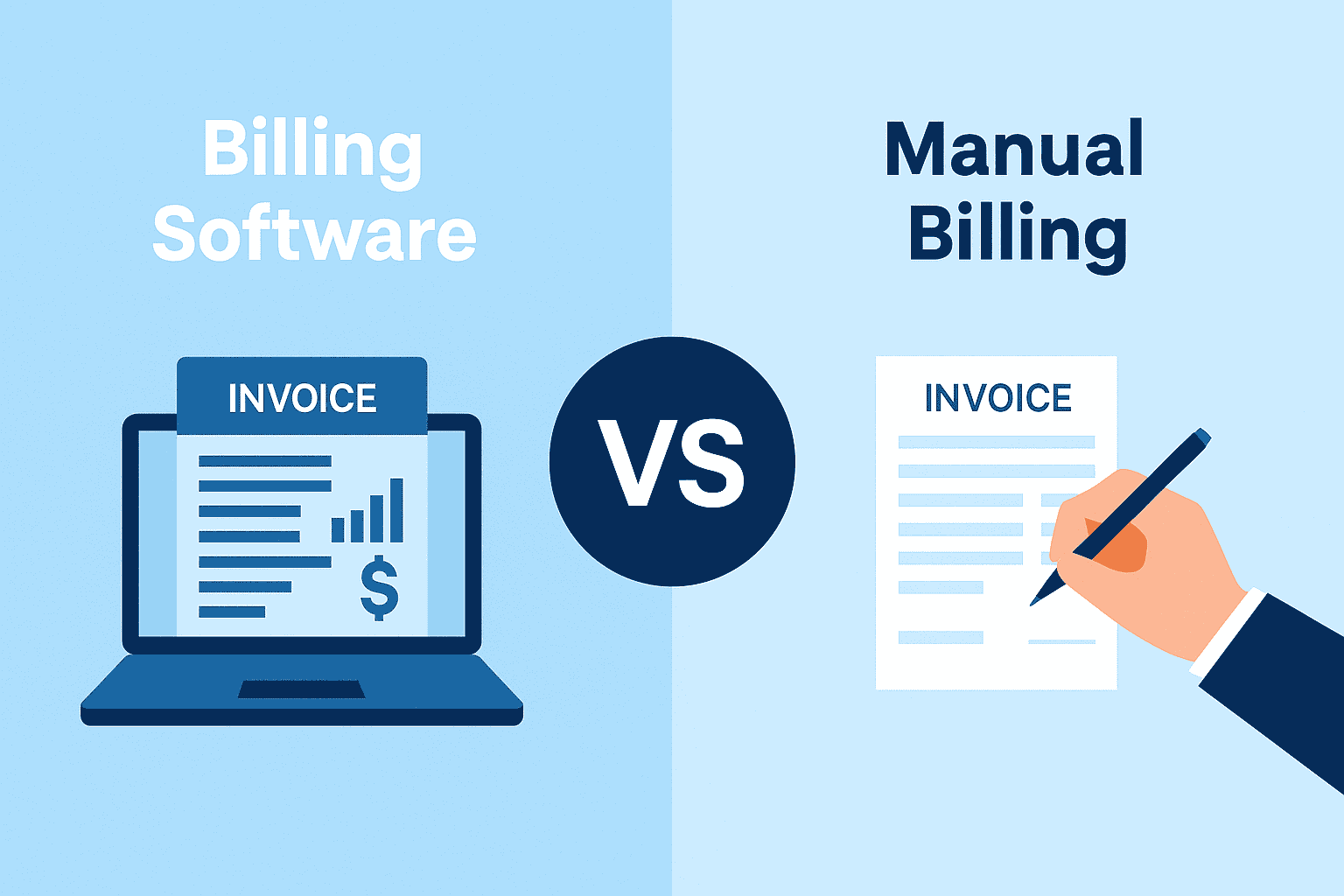
Many small businesses still rely on spreadsheets to manage payroll. While Excel is a powerful tool, it is not a payroll solution. Relying on manual methods exposes your business to several risks:
Compliance pitfalls
Indian labour laws are stringent. Rates for PF, ESI, and TDS change, and filing deadlines are non-negotiable. Manual calculations often lead to errors in deduction, resulting in notices from tax authorities or the labour commissioner.
Data security concerns
Salary data is sensitive. Storing payroll details on a shared desktop or an unsecured spreadsheet risks data leaks, which can damage trust within your team.
Time drain
Manually reconciling attendance data with salary structures for every employee is time-consuming. This is the time you should be spending on business development, not administrative data entry.
Key benefits of a professional payroll system
Adopting a professional approach to payroll, whether through automation or specialised software, transforms it from a burden into a strategic asset.
1. Accurate statutory compliance
A professional system automatically updates with the latest tax regimes and statutory rules. It ensures that when you deduct TDS or PF, the numbers are 100% accurate, keeping your business legally safe.
2. Error-free calculations
Automation removes the "human error" factor. Whether you are calculating complex overtime rates or variable bonuses, a standardised system ensures every rupee is accounted for correctly.
3. Employee trust and satisfaction
Your employees expect transparency. Delivering professional, detailed payslips on time builds immense trust. It shows your workforce that you value their effort and are professional in your dealings.
Streamlining Payroll with TallyPrime
Once you understand the value of a professional payroll system, the next step is choosing a solution that delivers all these benefits without adding complexity. TallyPrime does exactly that, bringing enterprise-level payroll accuracy and efficiency into your office without the cost of external agencies.
TallyPrime integrates payroll accounting with your general business accounting, eliminating the need for duplicate data entry. It can help you with:
- Automated payslip generation: Create and email professional payslips to all employees in a single click.
- Statutory adherence: TallyPrime handles the complexities of PF, ESI, National Pension Scheme (NPS), and Income Tax (TDS). It helps you generate the exact challans required for government filings.
- Flexible salary structures: Whether you pay daily wages, monthly salaries, or production-based incentives, TallyPrime adapts to your specific business hierarchy and pay structures.
- Exception reports: The software highlights errors or missing information (like missing PAN details) before you process the payroll, ensuring your filings are rejected less often.
Conclusion: Payroll Services
Payroll is the heartbeat of your organisation. It keeps your workforce motivated and your business compliant with the law. Treating it as a secondary administrative task is a risk no modern MSME should take.
By implementing a robust solution like TallyPrime, you ensure that your payroll is compliant, efficient, and accurate. It allows you to stop worrying about the math and start focusing on the management.